
Patio & Indian Sandstone Cleaningacross CheshireNatural stone restored, never scoured.
Black spot, algae and weathering removed from natural stone without bruising the surface or blowing out the pointing, so the patio you entertain on looks like the one you chose in the showroom, with fixed pricing agreed up front.
Fully insured, DBS checked, and delicate stone treated with soft washing rather than brute pressure.
What patio & indian sandstone cleaning actually involves
Patio cleaning covers Indian sandstone, limestone, porcelain, York stone, travertine, slate, concrete flags and block-paved terraces. Unlike a driveway, a patio is a surface people sit on, walk barefoot on and look at closely, so evenness of finish matters far more than raw cleaning power.
Natural stone is porous and mineral-variable. Indian sandstone in particular is prone to black spot lichen, a stubborn organic growth that ordinary jetting will not remove and aggressive jetting will simply carve around, leaving a pitted surface with the lichen still rooted. The correct approach is chemistry-led: appropriate dwell treatment first, controlled hot water second.
We combine our van-mounted hot-water system with a professional soft washing setup, choosing the gentlest method that will actually work on the substrate in front of us rather than the fastest one.
Why professional work matters here
Natural stone punishes mistakes permanently. Too much pressure bruises the face of sandstone, opens up the softer laminations and blows the pointing out from between the flags; the wrong chemistry bleaches colour unevenly or damages nearby planting. Professional cleaning starts by identifying the stone and the staining, then applies the least aggressive method that removes it, which is a slower, more considered job than a driveway, and priced honestly as such.
Who this is for
-
Owners of natural stone terraces
Indian sandstone, limestone and York stone patios that have gone grey, green or black-spotted.
-
Entertainers and garden users
Households who use the terrace through spring and summer and want it presentable before the season, not after it.
-
Porcelain and modern paving owners
Contemporary porcelain and vitrified paving where grout haze, film and pooling marks spoil an otherwise perfect surface.
-
Hospitality and hotel terraces
Outdoor dining areas and courtyards where appearance and slip safety are both commercial concerns.
When it is needed
- Black spot lichen appearing as small, hard, dark dots on sandstone
- Green algae film making the terrace slippery after rain
- Overall greying and loss of the stone's original warmth
- Furniture rust marks, barbecue grease, planter rings and leaf tannin staining
- Pointing crumbling or joints emptying between flags
- Before summer, before an event, or after a wet winter
The cost of leaving it another season.
Patios degrade quietly. By the time a terrace looks obviously dirty, biological growth has usually been working into the stone for two or three seasons.
Black spot becomes embedded
Lichen roots into the pores of sandstone. Treated early it lifts cleanly; left for years it needs longer dwell times, repeat treatment and sometimes leaves faint shadowing.
Slip risk where people sit and walk
Algae on smooth porcelain or wet limestone is one of the most slippery domestic surfaces there is: around a table, steps or a pool edge that matters.
Pointing failure spreads
Water tracking through open joints undermines bedding, causing flags to rock and settle. Repointing a whole terrace costs far more than cleaning it did.
Frost spalling on saturated stone
Dirty, moisture-holding stone suffers freeze-thaw damage that flakes the surface: irreversible on natural stone.
Permanent staining
Iron furniture rust, planter marks and barbecue grease migrate deeper each season and become progressively harder to draw back out.
Common mistakes we're called in to fix
- Using a turbo or pencil-jet nozzle on Indian sandstone, which leaves permanent swirl bruising
- Assuming black spot is dirt; it is a living organism and rinsing does nothing to it
- Household bleach or patio 'miracle' products that bleach the stone unevenly and kill adjacent planting
- Jet-washing joints out and never repointing or re-sanding them
- Sealing a patio while it is still damp, which traps moisture and clouds the surface
The stone is the expensive part; cleaning it correctly is the cheap part. Treating them the other way round is what ruins terraces.
Five steps, agreed before we start.
Stone identification & inspection
We identify the material, the pointing type, the drainage and the exact staining present, then issue fixed, itemised pricing before booking.
Protection & pre-treatment
Planting, furniture, doors and drainage protected. Biological growth and black spot given the correct dwell treatment so it is killed at the root rather than skimmed off.
Controlled cleaning
Soft washing or reduced-pressure hot water, chosen for the substrate: even coverage across the whole terrace, with steps, risers and edges hand-detailed.
Rinse, joints & verification
Full neutral rinse, joints inspected, re-sanding or repointing advice given where the terrace needs it, and any residual staining re-treated.
Handover & aftercare
Before-and-after photographs, a walk-round with you, and clear guidance on sealing, drainage and realistic maintenance intervals for your stone.
Specific outcomes, not vague promises.
Colour brought back, not bleached out
Correct chemistry restores the stone's natural tone instead of leaving a patchy, washed-out finish.
Black spot actually removed
Treated at the root with proper dwell time, rather than jetted around and left to return within weeks.
Pointing protected
Pressure controlled specifically to keep mortar joints and bedding intact.
Safe underfoot
Algae eliminated where people sit, walk barefoot and place furniture.
Entertaining-ready
A terrace that is presentable for the season, photographed on completion so the standard is documented.
Stone life extended
Removing moisture-holding growth reduces frost spalling and slows long-term surface breakdown.
Materials, methods and where each applies.
Stone types and how each is treated
Method selection is driven by porosity, mineral content and hardness.
- Indian sandstone: porous, black-spot prone; chemistry-led treatment with reduced-pressure hot water
- Limestone and travertine: acid-sensitive; pH-appropriate products only, never a generic patio acid
- York stone: hard-wearing but laminated; controlled pressure to avoid lifting surface layers
- Porcelain and vitrified paving: non-porous; focus on grout haze, film residue and joint cleaning
- Slate: cleaned gently to preserve the cleft face and natural colour
- Concrete and riven flags: more tolerant of pressure, still cleaned evenly with a surface cleaner
- Block-paved terraces: cleaned as paving, then re-sanded
Staining types and realistic outcomes
Honest expectation-setting is part of the quote.
- Green algae and moss: fully removable
- Black spot lichen: removable with correct treatment; very old growth may need a second application
- Leaf and tannin staining, usually removable, may lighten in stages
- Iron and rust marks from furniture, often removable with specific treatment; deep rust may only lighten
- Barbecue grease and oil: hot water plus degreaser lifts most of it
- Cement and grout haze: removed with correct chemistry, never by grinding
- Efflorescence: a salt migration issue that recurs naturally; managed rather than permanently cured
Joints, pointing and re-sanding
A patio is only as stable as its joints. After cleaning we inspect pointing and jointing throughout. Sand-jointed flags are re-sanded where appropriate; mortar-pointed terraces are assessed for failure and you receive straight advice on whether repointing is needed now, soon, or not at all. We would rather tell you a joint is sound than sell work that is not required.
Sealing natural stone
Sealing suits porous stone such as Indian sandstone and limestone once fully clean and dry, reducing re-soiling and making spills easier to manage. It is not appropriate on damp stone, on terraces with standing-water problems, or where a previous failed sealant remains in place. Where sealing is right, it is quoted separately and applied only to a properly dried surface.
Residential terraces versus hospitality patios
Domestic terraces are usually a single seasonal restoration timed before summer. Hotel, restaurant and pub patios in Cheshire and Greater Manchester are typically scheduled work, planned around service times, with grease, spillage and heavy footfall staining in scope and slip liability as the driving concern.
Where we work
Based in Cheshire, covering the whole North West. See the full service areas and coverage map , or get in touch to check your postcode.
- Wilmslow
- Alderley Edge
- Prestbury
- Knutsford
- Hale
- Bowdon
- Lymm
- Tarporley
- Mobberley
Patio & Indian Sandstone Cleaning, straight answers.
How much does patio cleaning cost?
It depends on area, stone type, staining severity and whether repointing or sealing is included. You receive fixed, itemised pricing before any work is booked, and that price does not move on the day.
Can you remove black spot from Indian sandstone?
Yes. Black spot is a lichen, not dirt, so it needs the correct treatment with proper dwell time rather than higher pressure. Long-established growth occasionally needs a second application, which we identify at quotation rather than after.
Will pressure washing damage my natural stone?
It can, in the wrong hands. That is why delicate stone is soft washed or cleaned with reduced-pressure hot water rather than jetted. Technique is chosen for the material, not for our convenience.
How long does a patio clean take?
Most domestic terraces are completed in a single visit. Heavy black spot, large areas or added sealing may extend the work, and any second visit is agreed in advance.
How often should a patio be cleaned?
Typically every one to two years in the North West climate. Shaded, tree-covered or north-facing terraces regreen faster and may benefit from an annual reset.
Do you seal patios after cleaning?
Where it suits the stone and the stone is fully dry, yes: quoted separately. Where sealing would trap moisture or is inappropriate for the material, we will tell you so rather than sell it.
Will the cleaning harm my plants and lawn?
We use eco-friendly products, protect planting and control rinse-water routes as part of the job. Beds and borders adjacent to the work are covered before we start.
Can you clean patio steps, walls and copings too?
Yes. Steps, risers, retaining walls, copings and thresholds are hand-detailed so the finish is consistent across the whole area.
Do you work in winter?
Yes, weather permitting. Hot water works well in cold conditions; only hard frost and freezing surfaces stop us, and we will reschedule rather than compromise the result.
Do you cover my area?
We are based in Cheshire and cover the whole North West, including Wilmslow, Alderley Edge, Prestbury, Knutsford, Hale, Bowdon, Lymm, Tarporley and Mobberley.
Related services
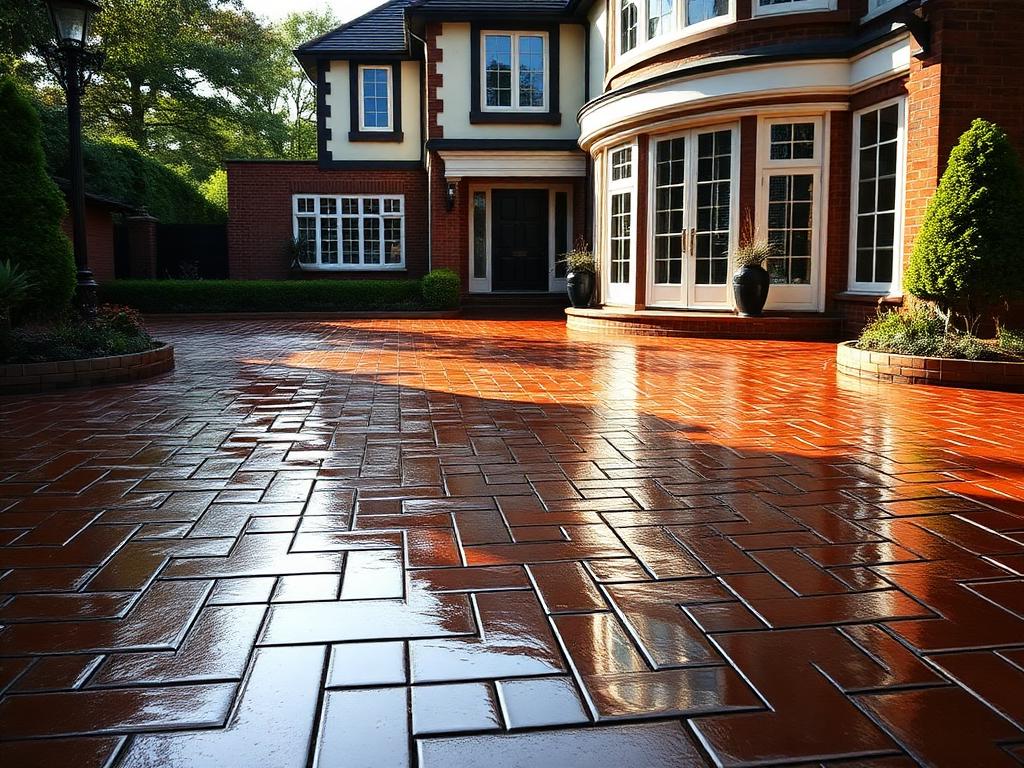
Driveway Cleaning
Get back the driveway you paid for: moss, algae, oil shadowing and black weathering removed in a single visit, joints re-sanded and stabilised, with fixed pricing agreed before we arrive and photographs of the result when we leave.
View service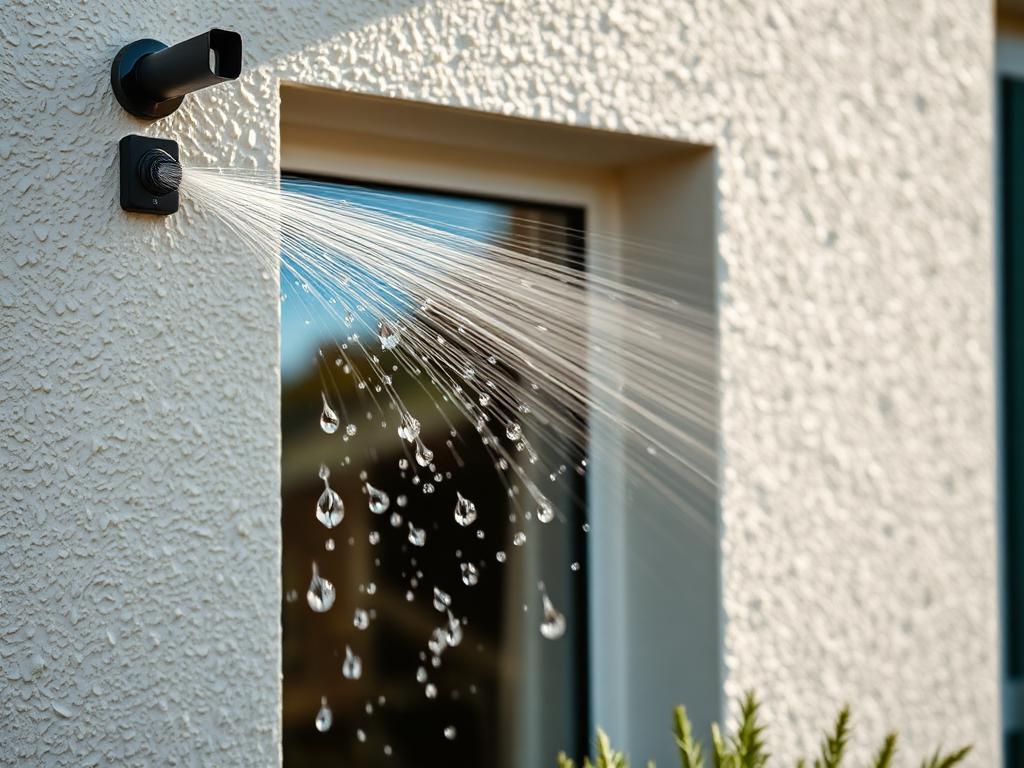
Soft Washing
Algae, mould and organic staining removed from render, brick, cladding and delicate substrates at a fraction of the pressure: killing the growth at the root so the elevation stays clean for years rather than weeks.
View service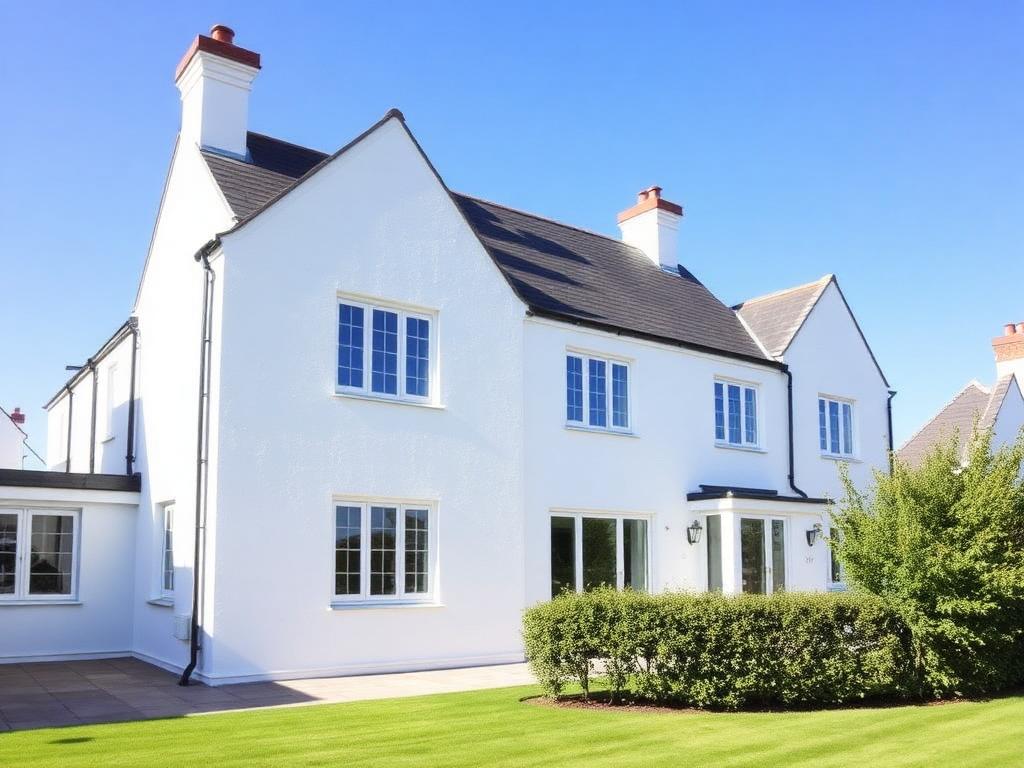
Render Cleaning
Green streaking, black staining and algae removed from K-Rend, silicone and monocouche render by soft washing: no pressure forced into the substrate, no patchwork finish, and a result that holds for years rather than a season.
View serviceBack to the homepage for our full range of exterior cleaning services across Cheshire and the North West.
Have the terrace ready before the season, not after it.
Send photographs of the stone and the staining and we will come back with fixed, itemised pricing and an honest view of the result you can expect.
- Fully insured & DBS checked
- Fixed, itemised pricing
- Before-and-after photos every job