Block Paving Cleaningacross Cheshire & the North WestCleaned, weeded and re-sanded.
Moss, weeds, algae and tyre shadowing removed from every joint and every block, then the joints refilled and vibrated in, because a clean that empties your paving of sand costs you more than it saves.
Fully insured, DBS checked, and every job photographed before and after.
What block paving cleaning actually involves
Block paving is the most common driveway and forecourt surface in the North West and the one most often damaged by DIY cleaning. It is a flexible pavement: the blocks are held in position by compacted joint sand, not by mortar. Clean it without replacing that sand and you have taken away the very thing keeping the surface stable.
Our approach treats cleaning and reinstatement as one job. Hot water at up to 120°C through a rotary surface cleaner lifts organic growth, tyre rubber and traffic film evenly across the field, weeds and moss are removed from the joints and treated at root level, and kiln-dried or stabilising sand is then swept and vibrated back into every joint.
The outcome is a driveway with uniform colour, sharp joint lines, solid blocks underfoot and no lace-curtain wand marks: the finish that separates professional work from a hired machine.
Why professional work matters here
The two failures we are called in to correct are always the same: striping from a pencil-jet lance held too close, and joint sand blown out and never replaced. The first is permanent. The second causes movement, edge failure and water tracking into the sub-base. Professional cleaning controls pressure and heat to avoid the first, and treats re-sanding as part of the job rather than an upsell to avoid the second.
Who this is for
-
Domestic driveways
Concrete and clay block drives across Cheshire that have gone green, black or weed-filled over several seasons.
-
Commercial forecourts and car parks
Where appearance, slip risk and liability all sit on the same surface.
-
Properties going to market
The driveway is the first photograph in a listing and the first thing a buyer stands on.
-
Drives with movement starting
Rocking blocks and creeping edges caused by joint sand that has washed out over time.
When it is needed
- Green or black film spreading across the blocks, particularly in shade
- Weeds and moss growing along the joint lines
- Blocks moving underfoot or edge courses starting to creep
- Oil, diesel or tyre shadowing where cars stand
- The surface becoming slippery after rain
- Spring and autumn resets, or ahead of a sale or event
The cost of leaving it another season.
Block paving fails from the joints outwards. Everything expensive that happens to a driveway starts with sand that is no longer there.
Blocks begin to rock and lip
Empty joints mean each block carries load alone. Rocking, lipping and trip hazards follow, and the pattern begins to spread apart.
Edge restraints fail
Once the edges creep, the whole field loses its restraint and re-laying becomes the only real fix.
Water tracks into the sub-base
Rain running through open joints washes out bedding sand, creating the dips and sunken sections that need excavation to repair.
Weed roots widen the joints
Root systems open joints further, which lets in more water and more seed, which opens them further again.
Algae makes the surface dangerous
Wet algae is slippery, and on a sloping drive with a step to the door that is a genuine fall risk.
Common mistakes we're called in to fix
- Cleaning with a pencil-jet wand instead of a rotary surface cleaner, which stripes the blocks permanently
- Never replacing the kiln-dried sand after washing
- Using building sand instead of kiln-dried or stabilising sand in the joints
- Spraying weedkiller onto the surface and calling it maintenance while the joints stay empty
- Sealing block paving that still holds live growth and moisture underneath
Cleaning and re-sanding a drive is priced in hundreds. Lifting, re-screeding and re-laying a settled one is priced in thousands. Timing is the entire difference.
Five steps, agreed before we start.
Inspection & fixed quote
Block type, laying pattern, edge restraint, drainage and staining assessed, with itemised fixed pricing issued before any booking.
Preparation & protection
Vehicles moved, debris cleared, planting and drainage protected, and a wash-out route planned so slurry does not end up in borders or gullies.
Hot-water rotary clean
Even passes with a rotary surface cleaner at up to 120°C, then hand-detailing to kerbs, edges, steps and awkward corners.
Weed treatment & re-sanding
Remaining growth treated at root level, full rinse, then kiln-dried or stabilising sand swept and vibrated into every joint.
Verification & handover
Walk-round together, before-and-after photographs, and honest advice on sealing, drainage and realistic maintenance intervals.
Specific outcomes, not vague promises.
Re-sanding included, not extra
Joints refilled and compacted as part of the job, because a clean without it shortens the life of the drive.
Even, unstriped finish
Rotary cleaning at controlled pressure gives uniform tone rather than the wand marks a hired machine leaves.
Weeds killed, not trimmed
Root-level treatment means the joints stay clear for seasons rather than weeks.
Slip risk removed
Algae removed properly, restoring grip on slopes, steps and shaded runs.
Movement prevented
Full joints keep blocks interlocked and edges restrained, which is what stops expensive settlement.
Fixed price, documented result
Itemised quote before we start and photographs of the finished job when we leave.
Materials, methods and where each applies.
Block types and correct technique
Not all block paving behaves the same way under heat and pressure.
- Standard concrete blocks: durable, cleaned by rotary head, always re-sanded
- Clay pavers: colour-stable but brittle at the arris, so lower pressure and more heat
- Permeable paving: cleaned carefully to preserve the drainage function of the joint aggregate, which is replaced with the correct grit, not sand
- Tumbled and aged blocks: softer edges that need a gentler pass to avoid rounding them further
- Coloured and dyed blocks: pigment can already be fading; technique adjusted to avoid uneven lightening
Jointing sand, which one and why
Kiln-dried silica sand is the standard for most drives: cheap, effective and easy to top up. Polymeric or stabilising sand costs more but resists wash-out, weed germination and ant activity, and is worth it on sloping drives and areas that repeatedly lose their joints. Permeable paving needs the specific grit or gravel the system was designed for, never sand, or the drainage performance is destroyed. We recommend based on the surface in front of us and price it transparently.
Oil, rust and tyre marks
Hot water at up to 120°C plus targeted degreasing lifts most oil and tyre shadowing. Old, deeply soaked oil that has penetrated the block body can leave a faint ghost; we say so at survey. Rust from planters, metal furniture and fertiliser needs a dedicated rust treatment rather than more pressure, and is quoted separately when present.
Sealing block paving
Sealing is optional. Done properly on clean, dry paving it locks the joint sand in place, deepens colour and makes future cleaning easier. Done badly: over damp blocks, live algae or efflorescence; it creates a milky, blotchy finish that is expensive to strip. We only seal when the surface is genuinely ready and when it is worth the money for the drive in question.
Where we work
Based in Cheshire, covering the whole North West. See the full service areas and coverage map , or get in touch to check your postcode.
- Wilmslow
- Alderley Edge
- Prestbury
- Knutsford
- Hale
- Bowdon
- Lymm
- Tarporley
- Mobberley
Block Paving Cleaning, straight answers.
How much does block paving cleaning cost?
It depends on area, level of growth, staining and whether stabilising sand or sealing is included. Quotes are fixed and itemised per element before booking so nothing changes on the day.
Do you re-sand the joints afterwards?
Yes, as standard on block paving. Cleaning without re-sanding removes the material holding the pavement together and shortens the life of the drive.
Will cleaning damage or fade my blocks?
Not with a rotary surface cleaner at controlled pressure. The fading people describe is usually pre-existing pigment loss revealed once years of dirt come off, and we point that out at survey.
How long does a driveway take?
Most domestic drives are completed within a day, including re-sanding. Larger drives, heavy moss or added sealing may extend into a second visit, which is agreed in the quote.
How often should block paving be cleaned?
Typically every eighteen months to three years, depending on shade, tree cover and traffic. Sealed drives in open positions go longer between visits.
Can you get rid of the weeds permanently?
Nothing outdoors is permanent, but treating at root level and refilling the joints with stabilising sand dramatically slows regrowth compared with pulling weeds and leaving joints empty.
Do you remove oil stains?
Hot water and targeted degreasing lift most oil and tyre marks. Deeply soaked historic oil may leave a faint shadow, which we identify honestly before quoting.
Do I need to be home?
Not necessarily, provided we have access to the drive and an outside water supply where required. We photograph everything and walk you through the result afterwards.
Can you clean a commercial car park or forecourt?
Yes. Commercial work is usually scheduled outside trading hours and quoted per element so you can approve the whole site or part of it.
Which areas do you cover?
Based in Cheshire and covering the whole North West: Greater Manchester, Merseyside, Lancashire, Cheshire and into North Wales.
Related services
Driveway Cleaning
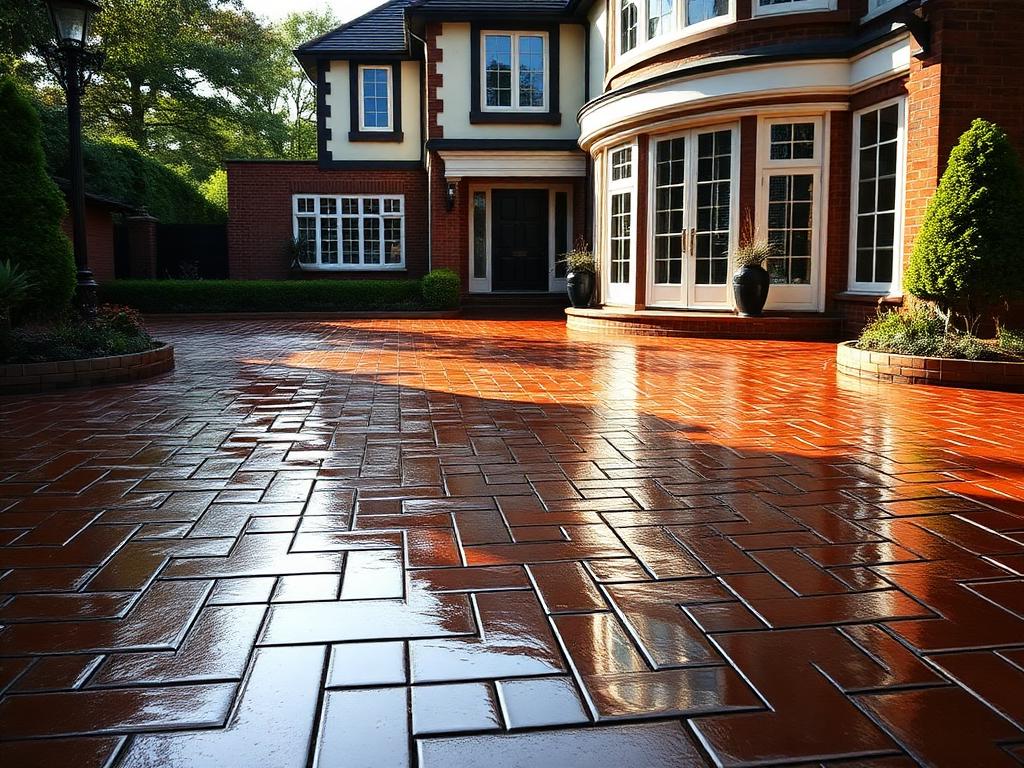
Get back the driveway you paid for: moss, algae, oil shadowing and black weathering removed in a single visit, joints re-sanded and stabilised, with fixed pricing agreed before we arrive and photographs of the result when we leave.
View serviceRe-sanding & Sealing
Joints refilled and compacted with the right sand for the surface, then, where it genuinely adds value: a breathable sealer that locks the joints, deepens colour and makes every future clean easier and cheaper.
View service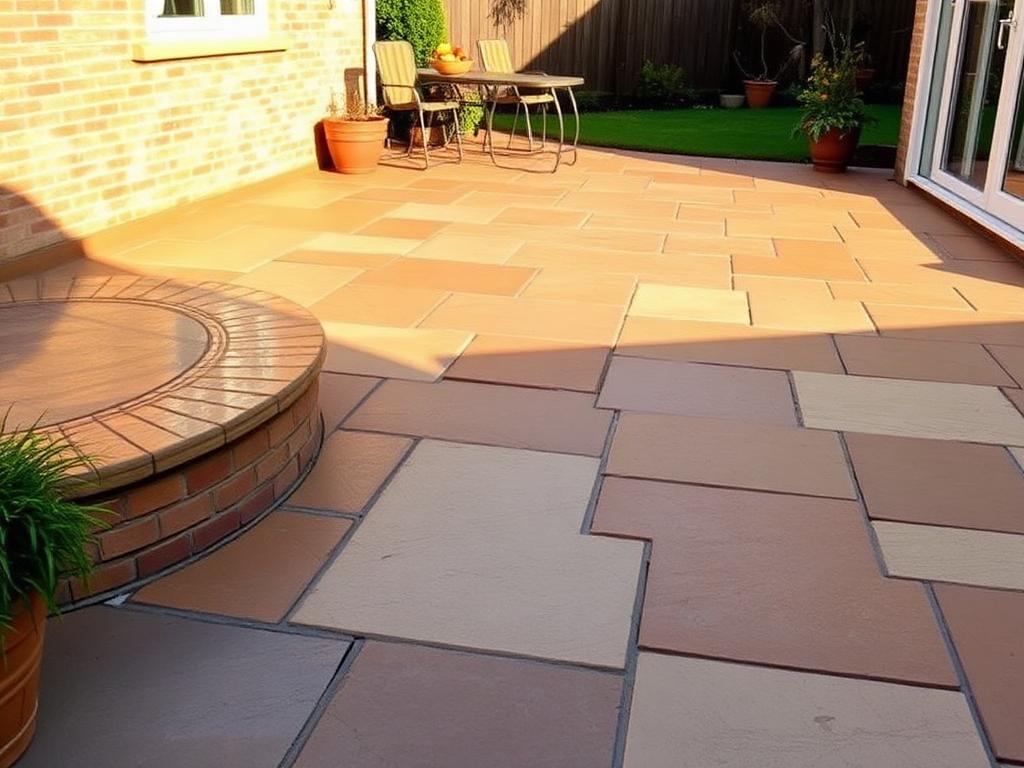
Patio & Indian Sandstone Cleaning
Black spot, algae and weathering removed from natural stone without bruising the surface or blowing out the pointing, so the patio you entertain on looks like the one you chose in the showroom, with fixed pricing agreed up front.
View serviceBack to the homepage for our full range of exterior cleaning services across Cheshire and the North West.
A driveway that looks laid, not just washed.
Send us a postcode and a photograph and we will return a fixed, itemised price covering the clean, the weed treatment and the re-sanding.
- Fully insured & DBS checked
- Fixed, itemised pricing
- Before-and-after photos every job