
Decking Restorationacross Cheshire & the North WestGrip restored, grain brought back.
Slippery algae, black weathering and grey UV damage stripped back from timber and composite decking, boards cleaned along the grain and re-treated where appropriate, so the deck is safe underfoot and looks like a feature again.
Fully insured, DBS checked, and every job photographed before and after.
What decking restoration actually involves
Decking restoration is the removal of algae, mould, ingrained dirt and weathered surface fibre from timber decking, followed by the treatment that protects it: or, on composite decking, the correct cleaning method for a material that must never be pressure-blasted.
Timber decking in the North West faces the worst combination available: persistent damp, limited winter sun and heavy leaf fall. Algae takes hold in the grain and in the grooves of ridged boards, which is exactly where feet land. That is why a neglected deck becomes genuinely dangerous long before it looks dangerous.
We clean along the grain at controlled pressure and temperature, treat the growth at root level, and advise honestly on oiling, staining or sealing. Where boards are rotten or fixings have failed, we tell you: cleaning a failing board does not make it safe.
Why professional work matters here
Decking is the surface most often ruined by a hired pressure washer. Too much pressure furs the timber, raises the grain and tears the softwood between the rings, leaving a rough, splintery board that then holds more dirt and dries more slowly than before. On composite, the same treatment voids warranties and permanently marks the surface. Restoration means using the least aggressive method that works, in the right direction, and treating the biology rather than sanding off the symptom.
Who this is for
-
Timber garden decks
Softwood and hardwood decking across Cheshire that has gone green, black or grey after several seasons.
-
Composite decking owners
Where the maintenance-free promise has met British weather and a film of algae has appeared regardless.
-
Hospitality and commercial terraces
Pub, restaurant and hotel decked areas where slip liability is a live risk with paying customers on it.
-
Properties preparing for summer
Decks being brought back into use for entertaining, or presented for a sale.
When it is needed
- The deck is slippery underfoot after rain: the clearest warning sign
- Green or black film across the boards, particularly in shade
- Timber turned silver-grey and fibrous from UV exposure
- Growth packed into the grooves of ridged boards
- Previous oil or stain patchy, worn through or flaking
- Spring, before the deck comes back into regular use
The cost of leaving it another season.
A green deck is a liability before it is an eyesore, and timber deteriorates faster once the surface is compromised.
Slip injuries
Wet algae on smooth timber is one of the most slippery domestic surfaces there is. On a raised deck with steps, a fall is a serious incident, and on a commercial terrace it is a claim.
Timber rot from persistent damp
Growth keeps boards wet. Wet softwood rots, particularly at the fixings and at the joist bearing points where it is hidden from view.
Grain damage becomes permanent
Once boards are furred by over-jetting or left to weather to fibre, they hold dirt, take up water and never take a finish evenly again.
Coating failure
Oiling or staining over algae and damp traps the growth beneath the coating, which then lifts, flakes and needs stripping.
Whole-deck replacement
Left long enough, individual board replacement becomes a full rebuild: substructure included.
Common mistakes we're called in to fix
- Blasting softwood decking with a pencil-jet lance, which furs the boards permanently
- Pressure washing composite decking, which marks it and voids the warranty
- Cleaning across the boards rather than along the grain
- Applying oil or stain to damp timber or over live algae
- Treating slipperiness as an appearance issue rather than a safety one
Cleaning and re-treating a deck each spring costs a fraction of rebuilding it, and removes a fall risk from your garden in the process.
Five steps, agreed before we start.
Inspection & fixed quote
Board material, fixings, substructure condition, existing coatings and growth level assessed; rotten boards identified honestly and fixed itemised pricing issued.
Preparation
Furniture and planters removed, debris cleared from between boards and beneath the deck where accessible, surrounding surfaces and planting protected.
Controlled cleaning
Boards cleaned along the grain at appropriate temperature and pressure for the material, never the maximum available, with grooves and edges detailed.
Treatment & drying
Algae and mould treated at root level, full rinse, then the deck left to dry properly before any coating is considered.
Re-oiling & handover
Where included, decking oil or stain applied to dry timber in a suitable weather window, then walk-round and before-and-after photographs.
Specific outcomes, not vague promises.
Safe underfoot again
Killing the algae rather than rinsing it is what restores grip on boards and steps.
Grain and colour recovered
Cleaning along the grain lifts the grey weathering and brings back the timber underneath.
Material-appropriate method
Composite cleaned as composite, softwood as softwood, hardwood as hardwood, not one setting for everything.
Coatings that actually last
Oil applied to clean, dry timber bonds properly instead of flaking off within a season.
Structural issues found early
Rotten boards, failed fixings and suspect joists are reported with photographs while they are still cheap to fix.
Ready for the season
One visit in spring puts the deck back into use for the whole summer.
Materials, methods and where each applies.
Materials and their tolerances
Every decking material has a ceiling on what it can take, and the job is to stay well under it.
- Softwood (treated pine and spruce): the most easily furred; cleaned at low pressure along the grain
- Hardwood (balau, ipe, oak): denser and more tolerant, but still cleaned with heat rather than force to preserve the surface
- Composite and WPC decking: cleaned with detergent and soft brushing; never pressure-blasted, which marks it and voids warranties
- Grooved and ridged boards: grooves hold the growth that makes a deck slippery, so they are detailed specifically
- Previously oiled or stained timber: coating condition assessed first, since cleaning will lift failing finishes unevenly
Oils, stains and sealers
Decking oil penetrates and feeds the timber, keeping it flexible and water-resistant, and is the right default for most softwood and hardwood decks. Stains add pigment and UV protection at the cost of a less natural look. Film-forming sealers look strong initially but peel when water gets beneath them, which in this climate it usually does. Composite decking needs none of them. We recommend based on the deck rather than on what we happen to carry.
Slip resistance and safety
Slipperiness on decking is almost entirely biological. Remove the algae at root level and grip returns; rinse the surface only and it comes back within weeks. On commercial terraces, and on domestic decks with steps or a level change, we treat slip resistance as the primary objective and appearance as the by-product. Anti-slip inserts and strips can be recommended where the layout genuinely warrants them.
Substructure and drainage
The part of a deck that fails first is the part nobody sees. Debris packed between boards and beneath the frame holds water against the joists and fixings. As part of restoration we clear what is accessible between and beneath boards, check drainage away from the structure, and report visible substructure problems so they can be addressed before they become a rebuild.
Where we work
Based in Cheshire, covering the whole North West. See the full service areas and coverage map , or get in touch to check your postcode.
- Wilmslow
- Alderley Edge
- Prestbury
- Knutsford
- Hale
- Bowdon
- Lymm
- Tarporley
- Mobberley
Decking Restoration, straight answers.
How much does decking restoration cost?
It depends on area, material, condition and whether oiling or staining is included. Cleaning and treatment are itemised separately in a fixed quote so you can choose the scope.
Will pressure washing damage my decking?
It can, badly. Softwood furs and composite marks under high pressure. We clean along the grain at controlled pressure and temperature, which is why the boards stay smooth.
Can you clean composite decking?
Yes, using detergent and soft brushing rather than pressure. Composite still grows algae in this climate: the maintenance-free claim never included biology.
How long does it take?
Most domestic decks are cleaned within a day. If oiling is included, that is usually a separate visit once the timber has fully dried.
How long before it can be oiled?
The timber must be genuinely dry, typically two to three dry days after cleaning, longer in autumn. Oiling damp timber is the main reason coatings fail.
Can you make the deck less slippery?
Yes, and that is normally the main objective. Treating the algae at root level restores grip; anti-slip inserts can be recommended where the layout justifies them.
What if some boards are rotten?
We identify and photograph them at survey. Cleaning does not make a rotten board safe, and we will tell you which need replacing before we start.
How often should decking be cleaned?
Annually in the North West, ideally in spring. Oiling is typically every one to two years depending on exposure and traffic.
Will the grey colour come back to normal?
In most cases, yes: the grey is weathered surface fibre and biological staining, and cleaning brings the timber colour back. Severely degraded boards may need sanding or replacing.
Which areas do you cover?
Based in Cheshire and covering the whole North West, including Wilmslow, Alderley Edge, Prestbury, Knutsford, Hale, Bowdon and surrounding areas.
Related services
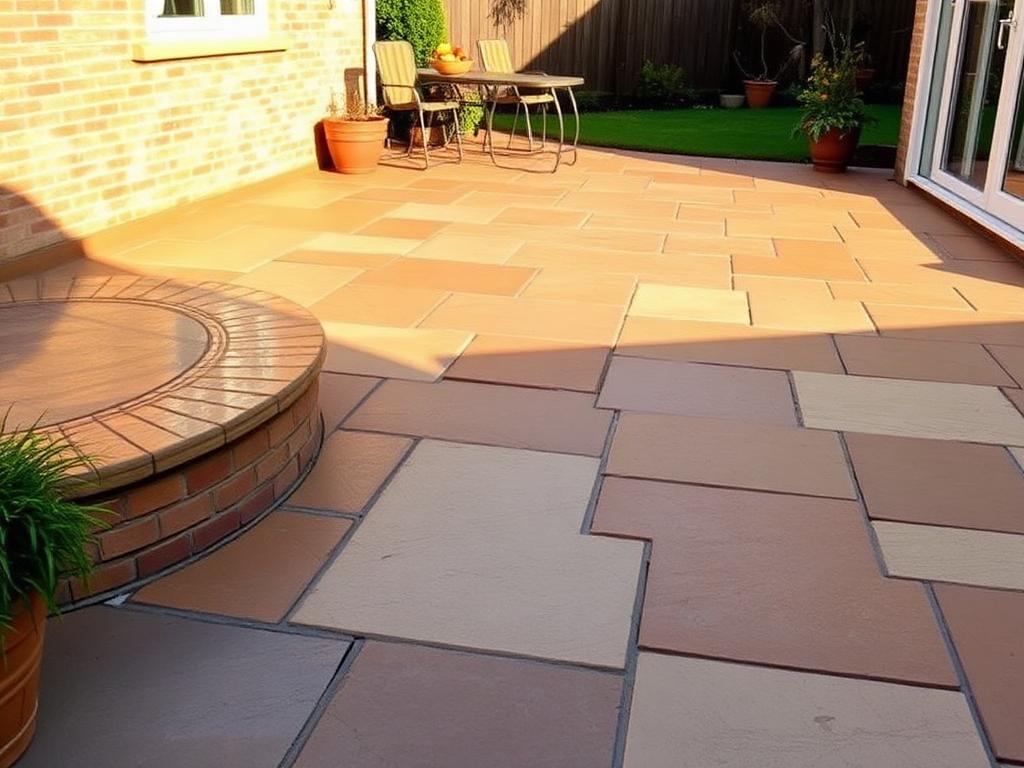
Patio & Indian Sandstone Cleaning
Black spot, algae and weathering removed from natural stone without bruising the surface or blowing out the pointing, so the patio you entertain on looks like the one you chose in the showroom, with fixed pricing agreed up front.
View serviceSwimming Pool Surrounds
Coping stones, non-slip surrounds, tiled terraces, decking and enclosures cleaned with pool-safe chemistry and carefully controlled run-off, so the area around the water is grippy, presentable and ready for the season.
View service
Soft Washing
Algae, mould and organic staining removed from render, brick, cladding and delicate substrates at a fraction of the pressure: killing the growth at the root so the elevation stays clean for years rather than weeks.
View serviceBack to the homepage for our full range of exterior cleaning services across Cheshire and the North West.
Have the deck ready before the good weather is.
Send a photograph and the approximate size and we will quote a fixed, itemised price for cleaning, treatment and optional re-oiling.
- Fully insured & DBS checked
- Fixed, itemised pricing
- Before-and-after photos every job