Exterior Cleaningacross LancashireStone, brick and weather, handled.
From the Ribble Valley to the Fylde coast, Lancashire property takes hard weather. We clean millstone grit, brick, render and paving with the method each material can survive, at a fixed price.
Fully insured, DBS checked, no travel surcharge into Lancashire.
Exterior cleaning in Lancashire, from a Lancashire base
Lancashire is a county of stone. Millstone grit, sandstone and hard-fired brick dominate the older housing, particularly through the Ribble Valley, Pendle and the former mill towns, and much of it carries a century of industrial soot in the pores of the masonry. Alongside that sits a large stock of interwar and modern housing, plus coastal properties on the Fylde finished in render and pebbledash.
The weather is the other constant. Lancashire's rainfall is high, its upland fringe is exposed, and its coast takes salt-laden Atlantic air. Roofs moss heavily, north elevations green over, and gutters fill every autumn: maintenance intervals here are genuinely shorter than in southern England.
We cover the county from our Cheshire base on planned routes, quoting fixed itemised prices per surface with no distance surcharge.
How quickly we reach Lancashire
Lancashire assessments are normally arranged within a week and scheduled into a planned route through the county, with urgent and commercial work prioritised where deadlines require it.
What we know about Lancashire
-
Areas we cover in Lancashire
Preston and the Ribble Valley, Burnley, Pendle and the eastern mill towns, Blackburn, Chorley, Leyland, the Fylde coast towards Lytham, and the belt down towards Wigan and the Cheshire border.
-
Property types across the county
Millstone-grit and sandstone terraces and farmhouses, hard-fired brick mill-town housing, interwar semis, modern rendered estates, coastal pebbledash on the Fylde, converted mills and a substantial stock of commercial and industrial premises.
-
What Lancashire clients call us for most
Roof moss removal, stone and brick elevation cleaning, driveway and yard restoration, render soft washing on newer estates, gutter clearance, and commercial forecourt and unit cleaning.
-
How Lancashire work is scheduled
We route Lancashire jobs together where possible, which keeps travel efficient. It does not affect the price: quotes are based on surface, size and condition only.
- Preston
- Burnley
- Ribble Valley
- Blackburn
- Chorley
- Leyland
- Fylde coast
- Pendle
Everything we clean in Lancashire.
Each service below is available across Lancashire and priced per surface. Follow any link for the full method, materials and pricing detail.
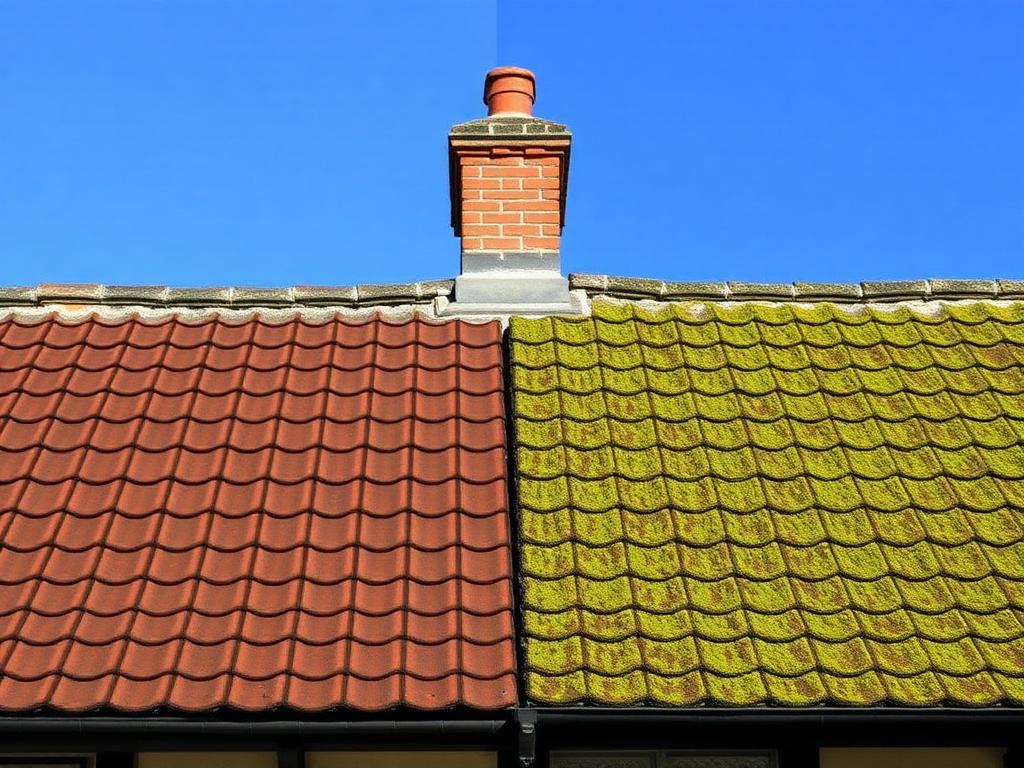
Roof Moss Removal in Lancashire
Lancashire rainfall makes heavy roof moss the norm, treated at the root and cleared without cracking slate or stone flags.
View service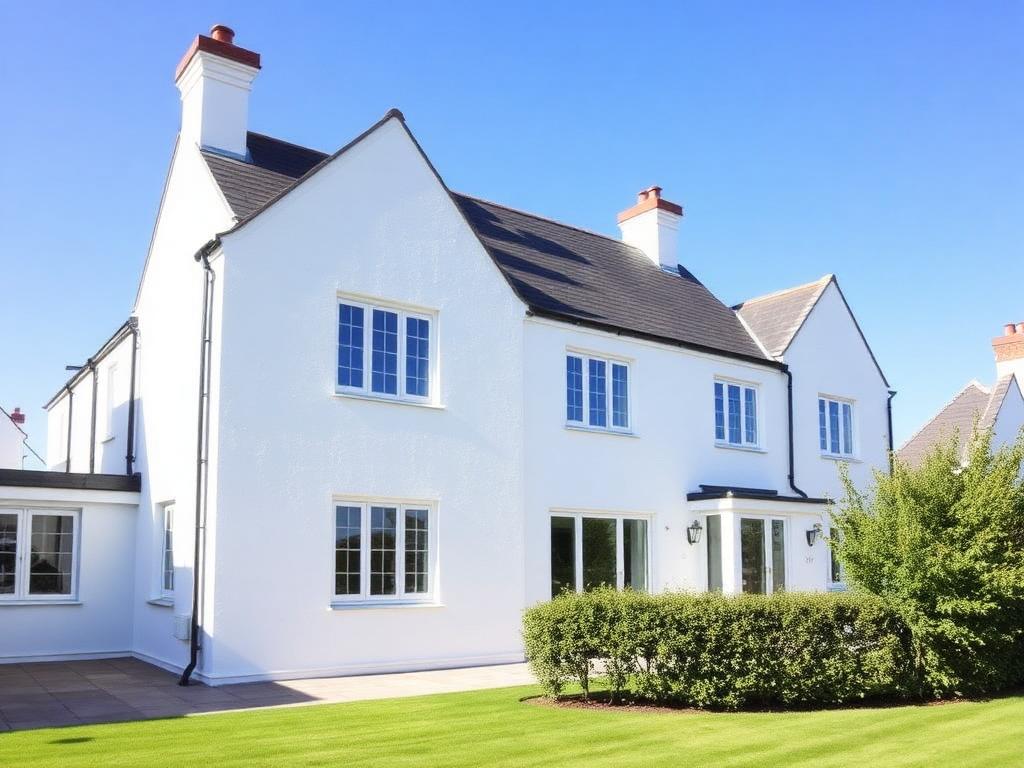
Exterior Wall Cleaning in Lancashire
Millstone grit, sandstone and hard brick cleaned with the gentlest effective method for masonry that is often a century old.
View service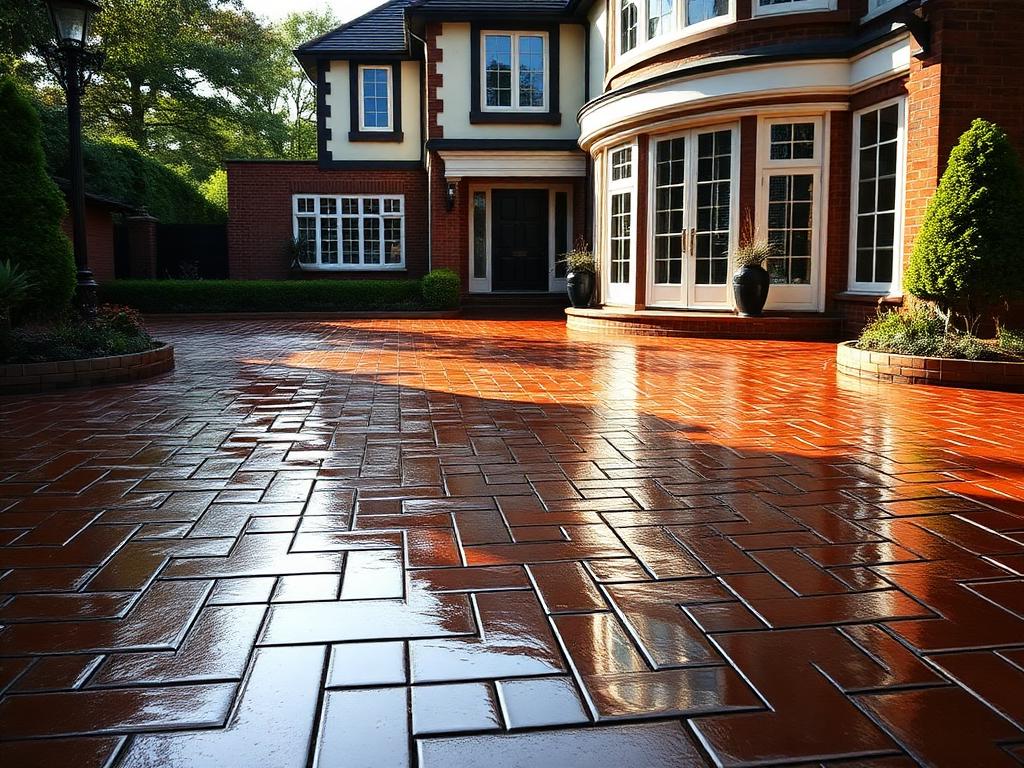
Driveway Cleaning in Lancashire
Drives, yards and hard standing cleaned with hot water at up to 120°C, then re-sanded where joints have washed out.
View serviceRender Cleaning in Lancashire
Modern rendered estates across Preston, Chorley and Leyland soft washed back to even tone.
View serviceGutter Clearing in Lancashire
High rainfall and heavy leaf fall make annual clearance the cheapest form of damp prevention in this county.
View service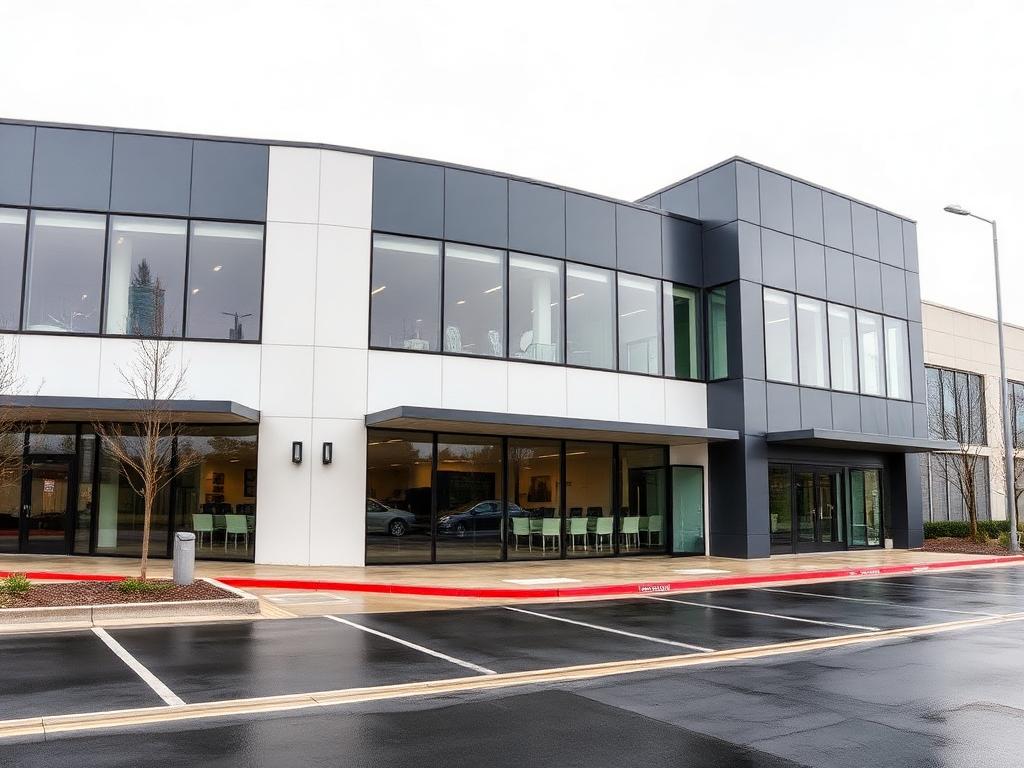
Commercial Exterior Cleaning in Lancashire
Units, forecourts, retail frontages and managed sites cleaned on planned cycles, out of hours where trading requires it.
View serviceWhy Lancashire clients choose us.
Equipment matched to hard county conditions
Van-mounted hot water at 3,500–4,000 PSI up to 120°C shifts the ingrained industrial soiling that cold machines only wet, while our soft washing setup protects historic stone and render.
No travel surcharge
Lancashire is part of our standard coverage from Cheshire. Prices are set by the work, not the mileage.
Insured and DBS checked
Full insurance for residential and commercial work, DBS-checked operatives on every job.
Fixed, itemised pricing
Priced per surface after a survey, agreed in writing, with photographs before and after.
What damages exteriors in Lancashire.
Soot-laden historic masonry
Mill-town stone and brick holds industrial carbon deposits deep in the pore structure. Aggressive cleaning removes the weathered outer skin along with the soot and permanently damages the stone: controlled chemistry and heat are the correct route.
High rainfall and slow drying
Lancashire's rainfall keeps roofs, paving and north elevations damp for long periods, driving heavy moss and algae growth and shortening realistic maintenance intervals.
Upland exposure
Properties on the Pennine and Pendle fringe take driving rain and wind loading, which pushes water into open joints and failing pointing far more aggressively than in sheltered locations.
Coastal salt on the Fylde
Salt-laden air corrodes fixings and degrades painted and rendered finishes on the coast, and salt crystallisation accelerates surface breakdown in porous masonry.
Five steps, agreed before we start.
Survey & fixed quote
We assess each surface, identify the material and its condition, and issue an itemised fixed price before anything is booked.
Protection & set-up
Planting, joinery and drainage protected, access and hose routes planned, and run-off controlled before a drop of water is used.
Correct method per surface
Hot water at up to 120°C and rotary cleaning on hard paving; low-pressure soft washing with surface-safe chemistry on render, historic brick and delicate stone.
Reinstatement
Block paving re-sanded, gutters flushed and checked, and optional sealing applied where it genuinely adds life to the surface.
Inspection & photographs
We walk the job with you where possible, leave the site clean, and supply before-and-after photographs of every surface.
Lancashire in depth.
Cleaning Lancashire stone without destroying it
The most valuable thing on a Lancashire stone building is its weathered outer surface. On millstone grit and sandstone, that face is denser and more water-resistant than the material beneath it, and once it is blasted away the stone absorbs water, spalls in frost and continues to decay. Because industrial soot sits within that same outer zone, the temptation to remove it forcefully is exactly the trap. Our approach is chemical and thermal rather than mechanical: appropriate, correctly diluted cleaning agents, generous dwell time, hot water at controlled pressure, and repeat passes where needed instead of escalating force. On heavily sooted historic masonry we will also be honest that complete removal is neither achievable nor desirable: an even, clean, undamaged elevation is the right target.
Lancashire and the surrounding region
We reach Lancashire from Cheshire, working north through Wigan and Chorley towards Preston and the Ribble Valley, and east to Blackburn, Burnley and Pendle. The same base covers Greater Manchester, Merseyside, Cheshire and North Wales, so clients with property in more than one county deal with one operator throughout.
Nearby areas we also cover
Not in Lancashire? We work across Cheshire, Greater Manchester, Merseyside, Lancashire and North Wales: see a nearby area, browse the full service list or contact us to check your postcode.
Lancashire questions, answered.
Do you cover Lancashire?
Yes: Preston, Burnley, Blackburn, Chorley, Leyland, the Ribble Valley, Pendle and the Fylde coast, all from our Cheshire base.
How fast can you reach Lancashire?
Assessments are usually arranged within a week and scheduled into a planned route through the county. Urgent and commercial deadlines are prioritised.
Is there a travel charge to Lancashire?
No. Pricing is based on the surfaces, their size and their condition, not on distance.
What does exterior cleaning cost in Lancashire?
Fixed and itemised per surface after a survey, agreed in writing before any work starts.
Can you clean traditional stone properties?
Yes, and carefully. Millstone grit and sandstone are cleaned with controlled chemistry and heat rather than aggressive pressure, which preserves the weathered outer face.
Do you handle emergency work in Lancashire?
Urgent jobs such as blocked gutters, slip hazards and commercial safety issues are prioritised, subject to the day's routing, usually within a few working days.
How often should a Lancashire roof be treated?
Given the rainfall, most roofs benefit from treatment every two to three years, with gutters cleared annually.
Do you work on commercial and industrial premises?
Yes: units, yards, forecourts, retail frontages and managed estates, on one-off or planned maintenance cycles.
Are you insured and DBS checked?
Yes to both, for all residential and commercial work in the county.
Get a fixed price for your Lancashire property
Send us the postcode and the surfaces. We will confirm routing, survey the site and issue an itemised fixed price with no travel surcharge.
Prefer to read more first? Visit the homepage, the services overview or our journal.